Current focus
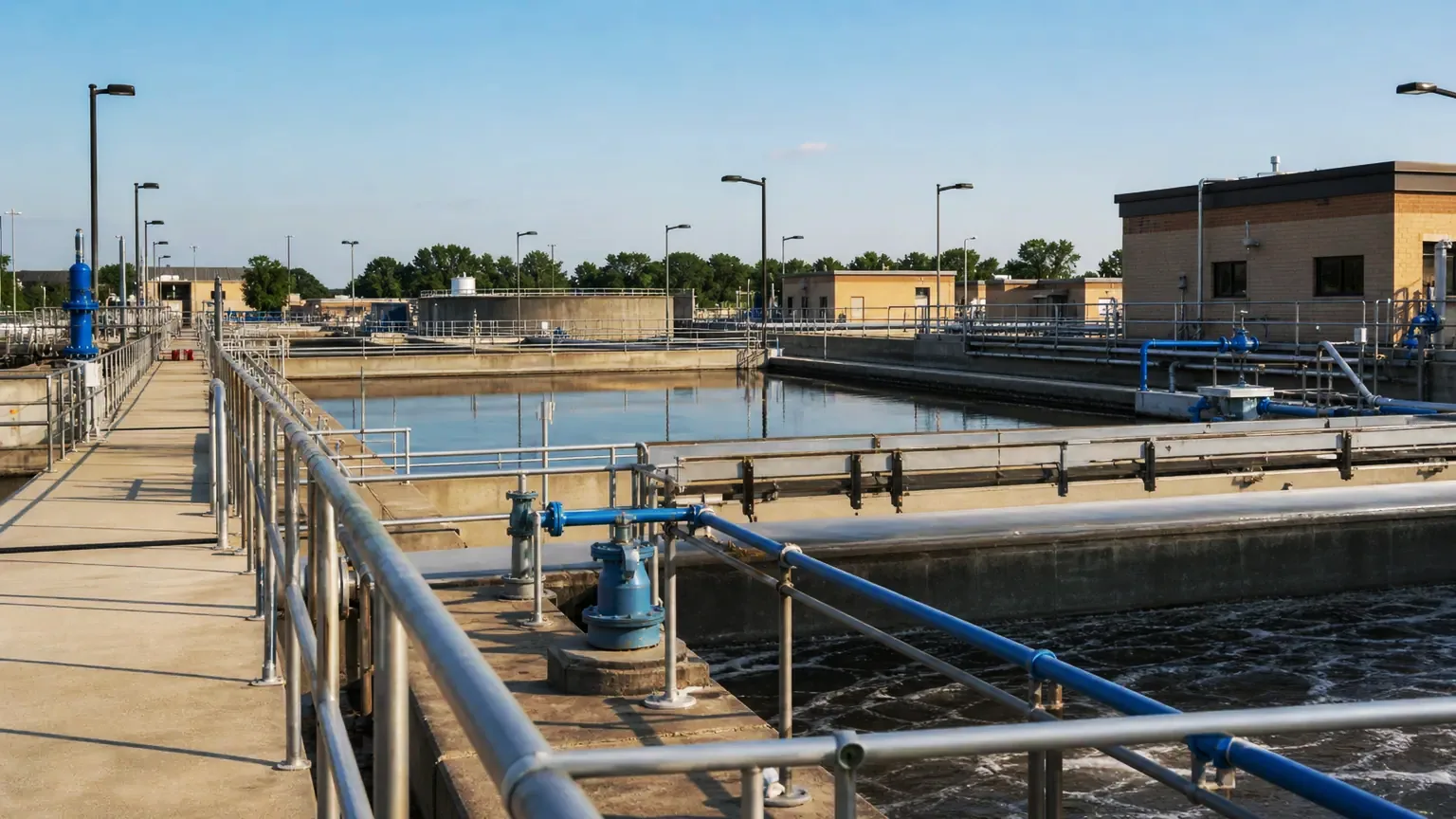
Water & Wastewater
Protect treatment capacity and shorten emergency maintenance delay.
Pumps · Blowers · Dewatering
See AIMMS for Water & WastewaterThe evidence, the exact part, the supplier, and the approval. AIMMS moves all four on one governed path: water and wastewater first, with generation, power delivery, and critical facilities alongside it. Operations retain process and return-to-service authority.
Water & wastewater first · Power generation, power delivery, and data centers second
Pre-authored municipal wastewater workflow
Wet-weather inflow · Influent pump fault
The assets differ and the pressures on them differ. What does not differ is where those pressures land: in every one of these operations the repair waits on evidence, on the exact part, on a supplier, and on an approval, and that waiting is the part AIMMS is built to remove. Each sector page opens with the four published figures that describe its own operating pressures, and what each one does to a repair.
The pressure Assets past their design life, and the people who know them leaving
Protect treatment capacity and shorten emergency maintenance delay.
Open the sector detailThe pressure Rising forced outage rates against long-lead critical components
Recover availability while preserving plant operating authority.
Open the sector detailThe pressure Fragmented specifications and replacement horizons measured in years
Protect outage windows and make field work ready sooner.
Open the sector detailThe pressure Near-zero downtime tolerance, with procedure and process the leading failure
Restore cooling and power resilience before risk compounds.
Open the sector detailComplete asset context where repair decisions happen. Evidence, history, procedures, and the exact part arrive together instead of being assembled over the phone.
A shorter path to authorized, executable work. Blockers surface early, approvals route to named owners, and return to service stays with your qualified personnel.
A measured case for reducing repair delay and cost. One bounded workflow, a baseline, and customer-specific operating evidence before any decision to expand.
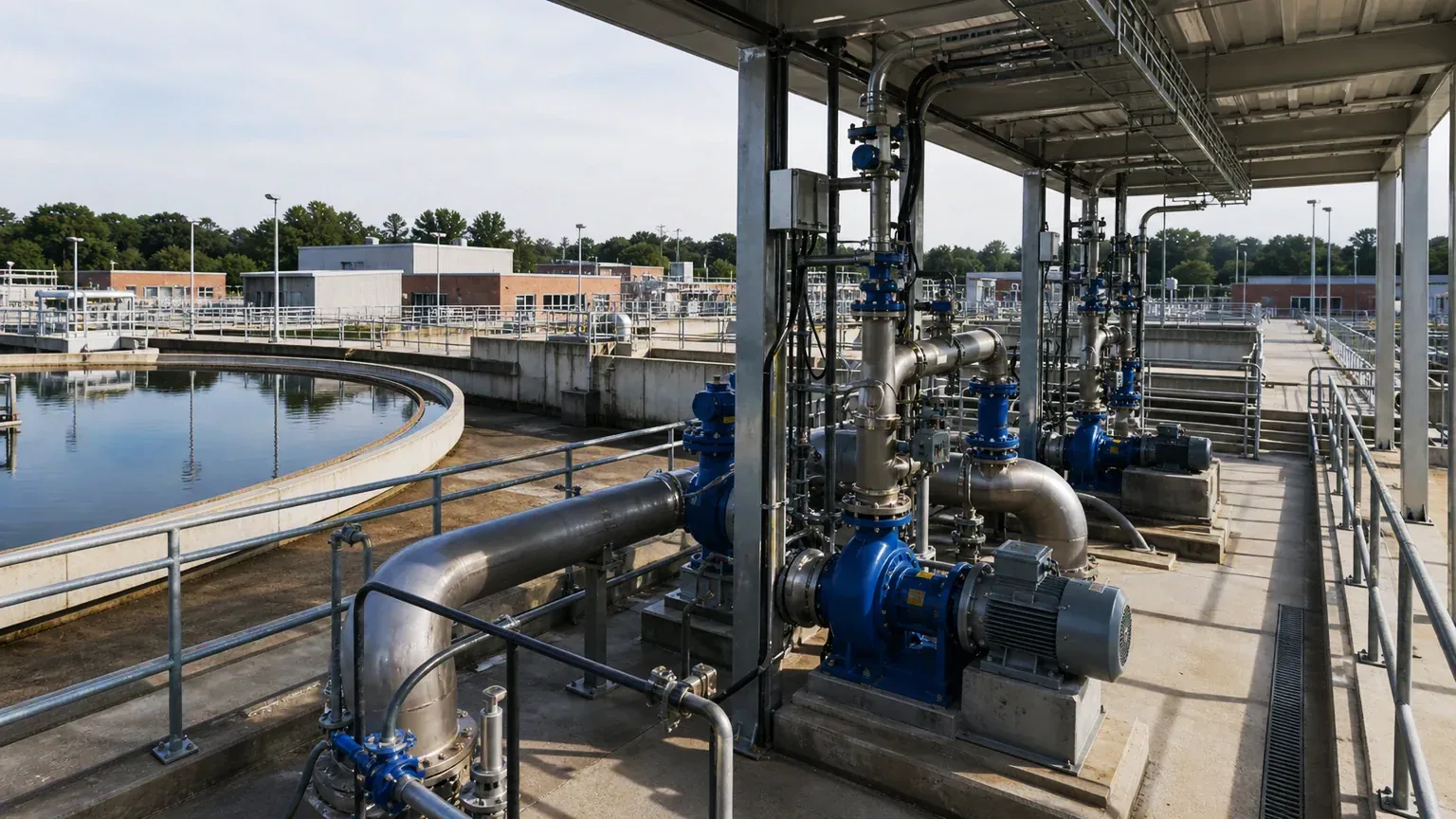
Assets and authority change by facility. The operating principle stays consistent: evidence first, visible blockers, approved digital work, verified human control.
Protect treatment capacity and shorten emergency maintenance delay.
Pumps · Blowers · Dewatering
See AIMMS for Water & Wastewater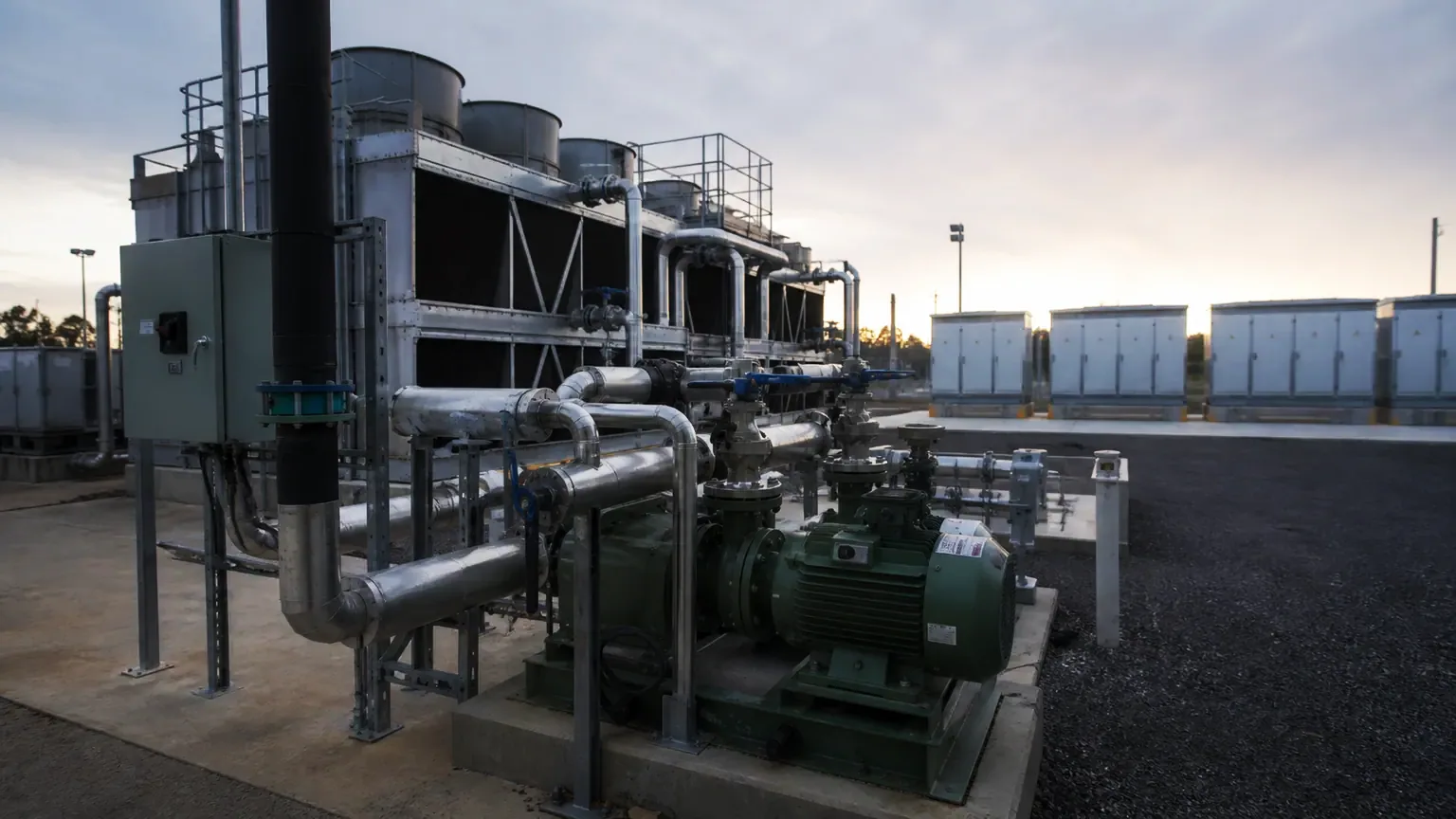
Recover availability while preserving plant operating authority.
Balance of plant · BESS · Auxiliary systems
See AIMMS for Power Generation & Storage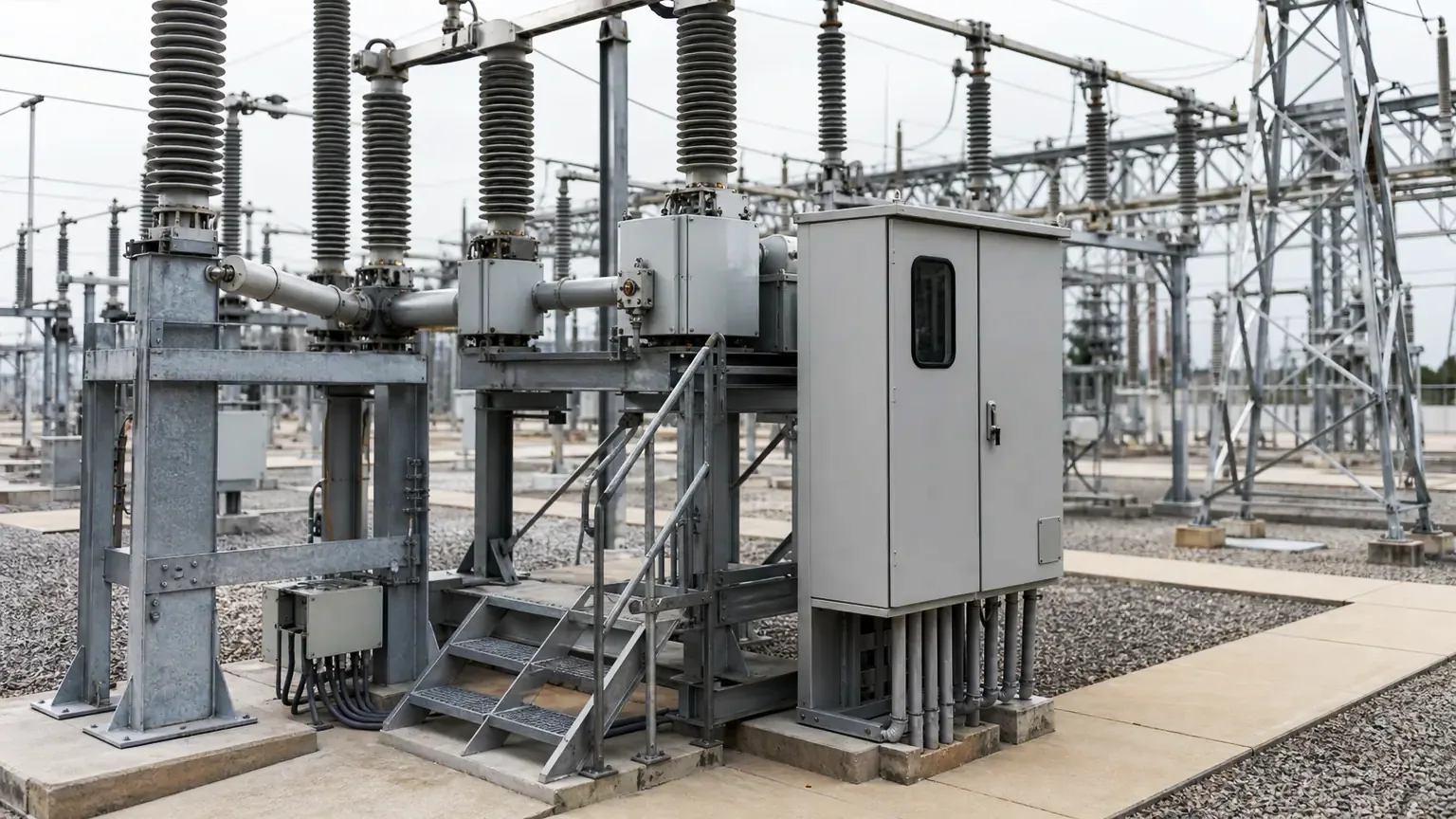
Protect outage windows and make field work ready sooner.
Transformers · Breakers · Critical spares
See AIMMS for Power Delivery & Grid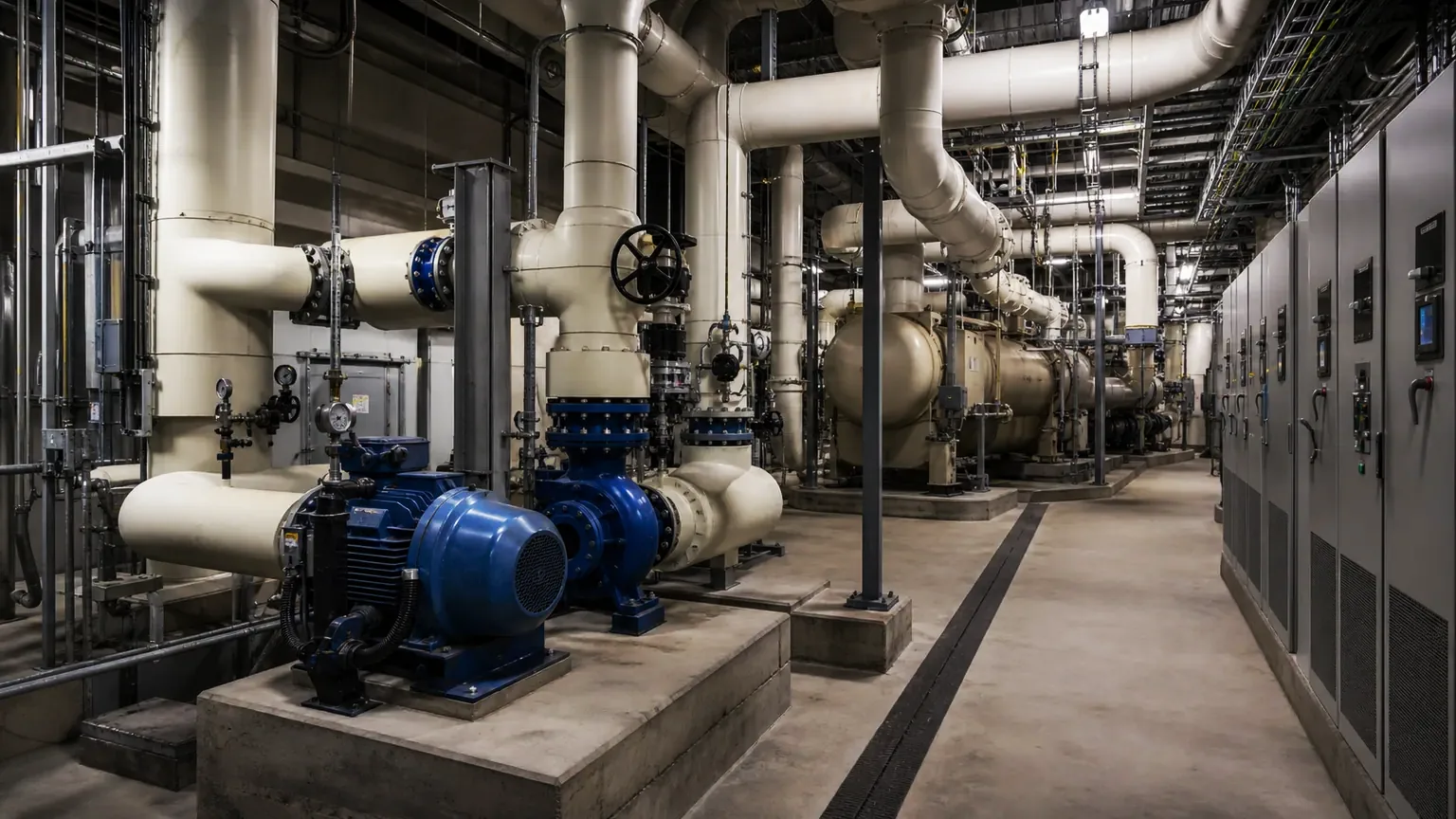
Restore cooling and power resilience before risk compounds.
Chillers · UPS systems · Backup power
See AIMMS for Data Centers & Critical FacilitiesAlerts and records do not return equipment to service. Teams still have to understand the fault, prepare safe work, clear parts and supplier blockers, route authority, verify return, and preserve what they learned.
AIMMS creates a Data Twin for the selected assets, evidence, parts, workflow state, and customer approval rules. During pilots, writeback stays inside AIMMS. External CMMS, EAM, or ERP writeback is customer-specific and begins only after customer approval and integration validation. Existing systems remain authoritative.
Typical connected systems
10 to 20 selected assets · One bounded workflow · Customer-defined authority
weeks targeted for Data Twin, workflow, user, and control onboarding
days targeted for a focused operating pilot after readiness
decision based on measured operating lift, economics, and controls
Timing adjusts to data readiness, security review, workflow complexity, and customer requirements.

AIMMS can retrieve evidence, guide work, verify parts, coordinate suppliers, route approvals, execute permitted internal pilot actions, capture receipts, and preserve asset memory. The customer defines the authority envelope.
Direct PLC, DCS, SCADA, protection, switching, setpoint, interlock, actuator, generator, BMS, EPMS, and other live-control writes are permanently outside AIMMS scope. Customer personnel retain field, safety, operating, and return-to-service authority.
Book Your 20-Minute AssessmentClear answers on fit, onboarding, authority, and proof before a customer commits to a pilot.
EQUA AIMMS is the Autonomous AI Operating System for Critical Infrastructure Maintenance, built by EQUA AI. It handles all the digital work from fault to fix, from fault evidence and guidance through parts, suppliers, approvals, closeout, and reusable asset memory. Your crew keeps the wrench.
No mandatory replacement is required. Existing systems remain authoritative. AIMMS creates a controlled Data Twin for the selected workflow, connects permitted context, and coordinates the work between systems, teams, and suppliers. Pilot writeback stays inside AIMMS. External CMMS, EAM, or ERP writeback requires customer approval and a validated integration.
It is a controlled operational mirror of selected assets, evidence, work history, parts, inventory, suppliers, case state, and approval rules. It gives AIMMS a coherent execution context while customer systems remain the sources of record.
The working target is two weeks to configure the Data Twin, users, workflow, and controls, followed by a focused 30-day pilot across 10 to 20 selected assets. Timing and scope remain customizable based on data readiness, security review, and workflow complexity.
No. Direct PLC, DCS, SCADA, relay, protection, BMS, EPMS, switching, setpoint, interlock, actuator, generator, and other live-control writes are permanently outside AIMMS scope. AIMMS uses permitted read-only operational context.
The customer does. Each deployment defines roles, permissions, spend limits, safety and operating rules, action types, communications, and approval gates. Customer personnel retain field, technical, safety, operating, and return-to-service authority.
Start with a baseline for the selected workflow. Measure elapsed repair delay, downtime or constraint time, part certainty, supplier and approval cycle, expert effort, rework, and closeout quality. Expand only when the customer-specific operating and financial evidence supports it.
In 20 minutes, we will map the current workflow, the digital tasks AIMMS can move, the Data Twin scope, customer authority, and the KPI set for a rollout decision.
One operating problem. One focused working session. No obligation.