Current focus
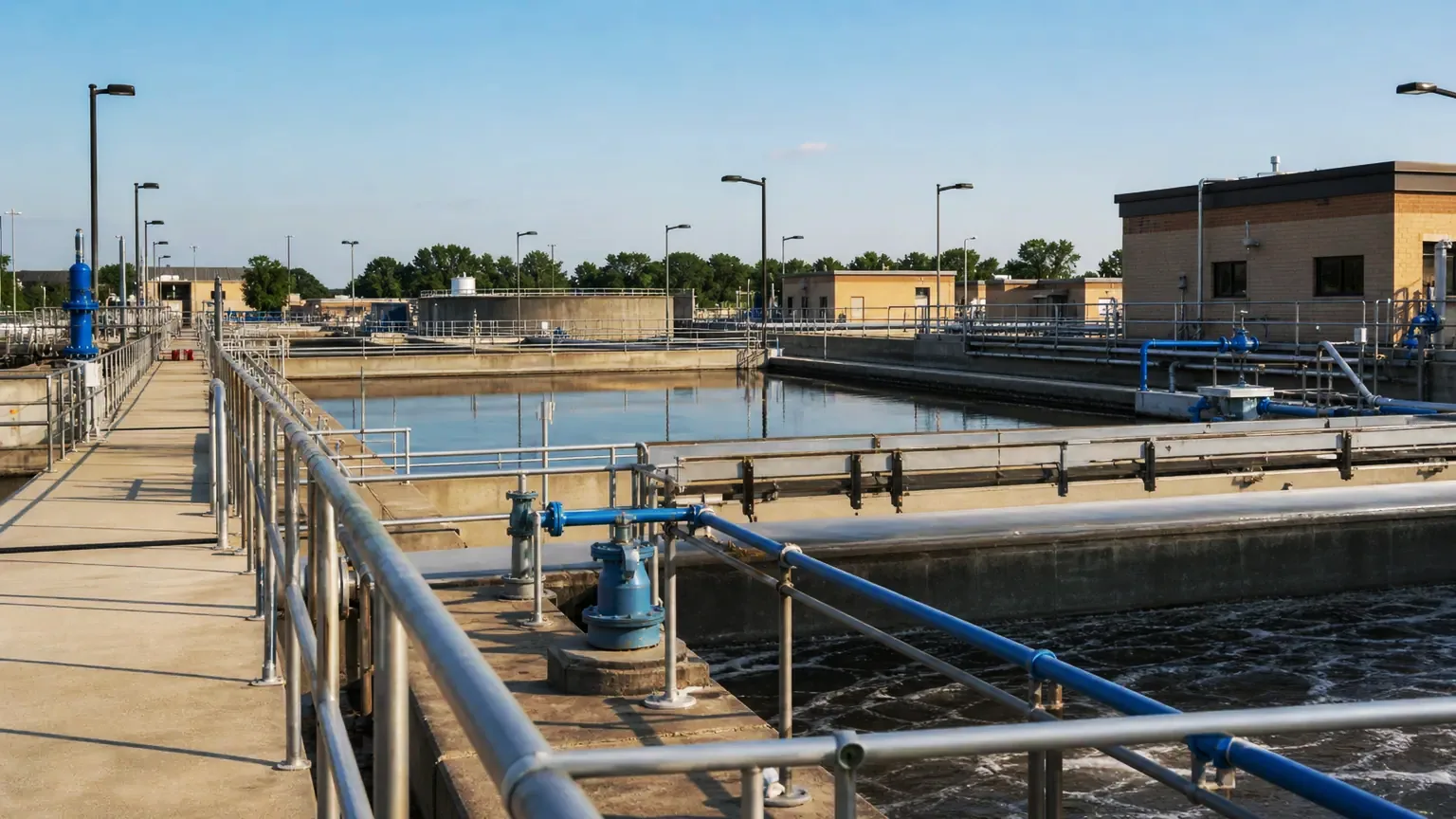
Water & Wastewater
Protect treatment capacity and shorten emergency maintenance delay.
Pumps · Blowers · Dewatering
See AIMMS for Water & WastewaterYour crew keeps the wrench.
AIMMS pulls together the evidence, finds the root cause, and guides the technician through the right, safe repair.
Tell AIMMS what you need done. It finds and reserves the right part, sources what’s missing, handles purchasing, updates your business systems, and carries the repair through closeout.
AIMMS captures what failed, what fixed it, and what your best technicians know, turning every repair into asset memory that makes the next one faster.
31.7% lower MTTR 14.2 h9.7 h See the scope
Start with the assets you run
 Selected for Black & Veatch IgniteX 2026. , opens in a new tab
 One anonymized industrial production deployment
Five pressures, and not one of them is new on its own. What is new is that they now arrive together, at the same moment, on the same repair.
Critical assets are staying in service longer.
The catalogue and the machine stopped agreeing years ago. Nobody on shift knows which rebuild went in.
Matches the part to the configuration actually installed.
The people who know the assets best are leaving.
The fastest diagnostic tool on a plant is a memory, and it was never written down.
Captures what failed and what fixed it, and keeps it on the asset.
The repair truth is scattered.
Alarm in SCADA. History in the CMMS. Manual a scanned PDF. Stock count a spreadsheet.
Assembles one working context, every line naming its source and its age.
The right part is harder to get right and get fast.
A wrong variant costs a second mobilization and a second outage window.
Checks usable stock, prepares the reservation, sources what is missing.
There is less room for downtime.
Every hour lost to searching and handoffs competes with the repair itself.
Takes the digital delay off the critical path.
Five pressures. One repair.
Your crew keeps the wrench. AIMMS keeps the digital work moving.
See AIMMS Do the WorkA pre-authored municipal wastewater scenario shows what AIMMS can assemble, prepare, and record, and exactly where qualified people retain authority.
Scroll to walk the thread, or select any stage directly. Nothing runs on its own.
Fault captured
The alarm identifies the event, not the repair. AIMMS opens one incident thread and preserves the source, timestamp, asset, and operating consequence.
Next Assemble the evidence needed to understand the event.
Evidence assembled
AIMMS connects the live context with approved manuals, history, and field input. It exposes the basis and uncertainty instead of presenting an unexplained answer.
Check strainer differential before expanding the repair path.
Requires field verification · not an autonomous diagnosisWork made ready
AIMMS prepares the digital work. It never treats a recommendation as permission.
A state changes only when new evidence or an authorized decision is recorded.
Qualified people repair
Safety authority stays with the authorized team.
The internal work record carries the sources, part reservation, and approval.
Findings, measurements, material used, and exceptions remain attached to the incident.
AIMMS never executes a setpoint, restart, interlock, actuator command, or other PLC/DCS/SCADA control action.
Human gate required
AIMMS presents the evidence and records the decision. Only the customer-authorized person can approve the operational return.
Evidence retained
Closeout preserves the event, evidence, validated cause, work performed, material, approver, exceptions, and outcome as one reusable asset record.
Value Less rediscovery, faster readiness, stronger closeout.
A pre-authored municipal wastewater scenario, not a product screenshot or customer result. Sources, actions, limits, and approval roles are configured and validated per customer.
Assets and authority change by facility. The operating principle stays consistent: evidence first, visible blockers, approved digital work, verified human control.
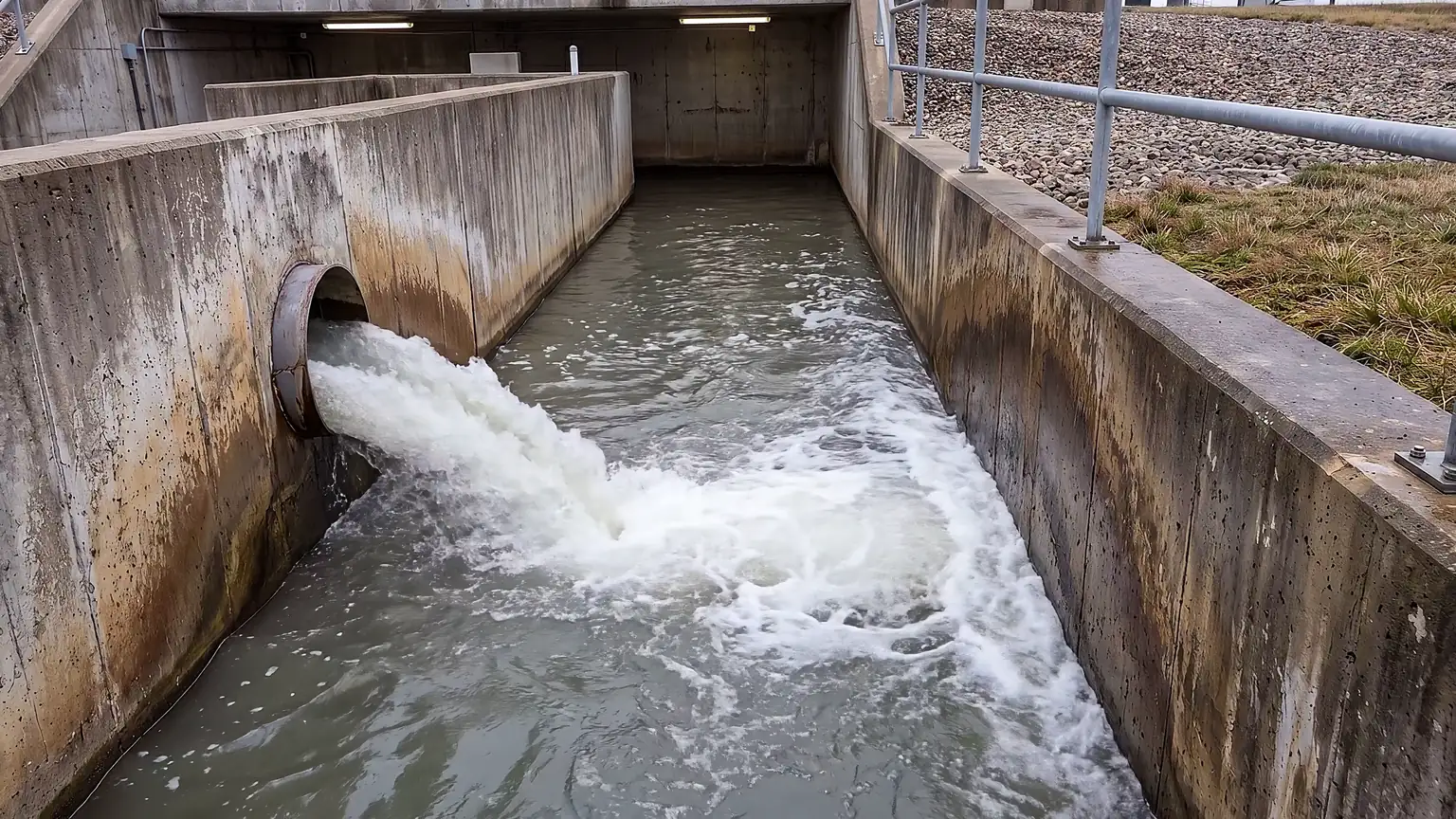
Protect treatment capacity and shorten emergency maintenance delay.
Pumps · Blowers · Dewatering
See AIMMS for Water & Wastewater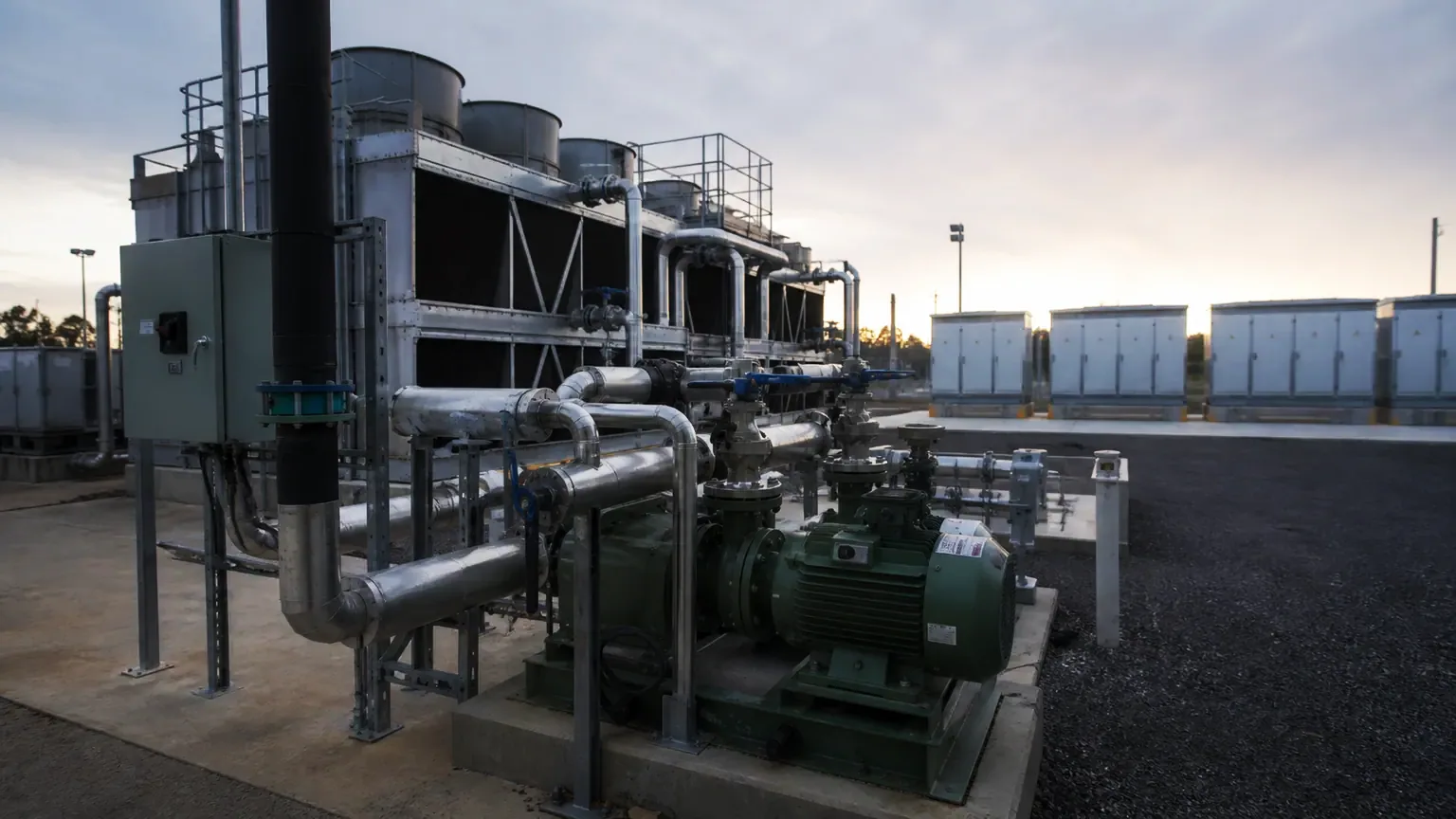
Recover availability while preserving plant operating authority.
Balance of plant · BESS · Auxiliary systems
See AIMMS for Power Generation & Storage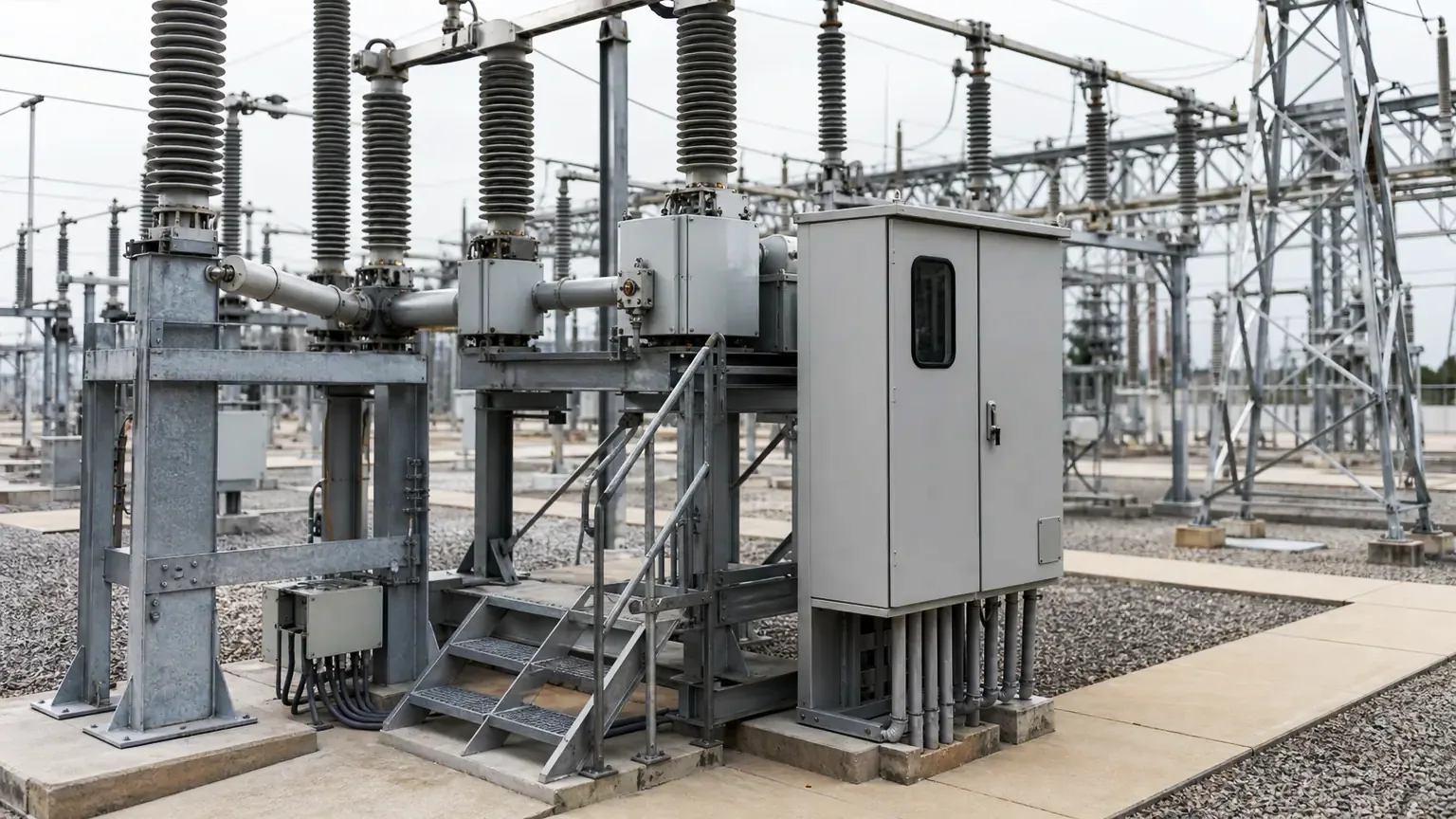
Protect outage windows and make field work ready sooner.
Transformers · Breakers · Critical spares
See AIMMS for Power Delivery & Grid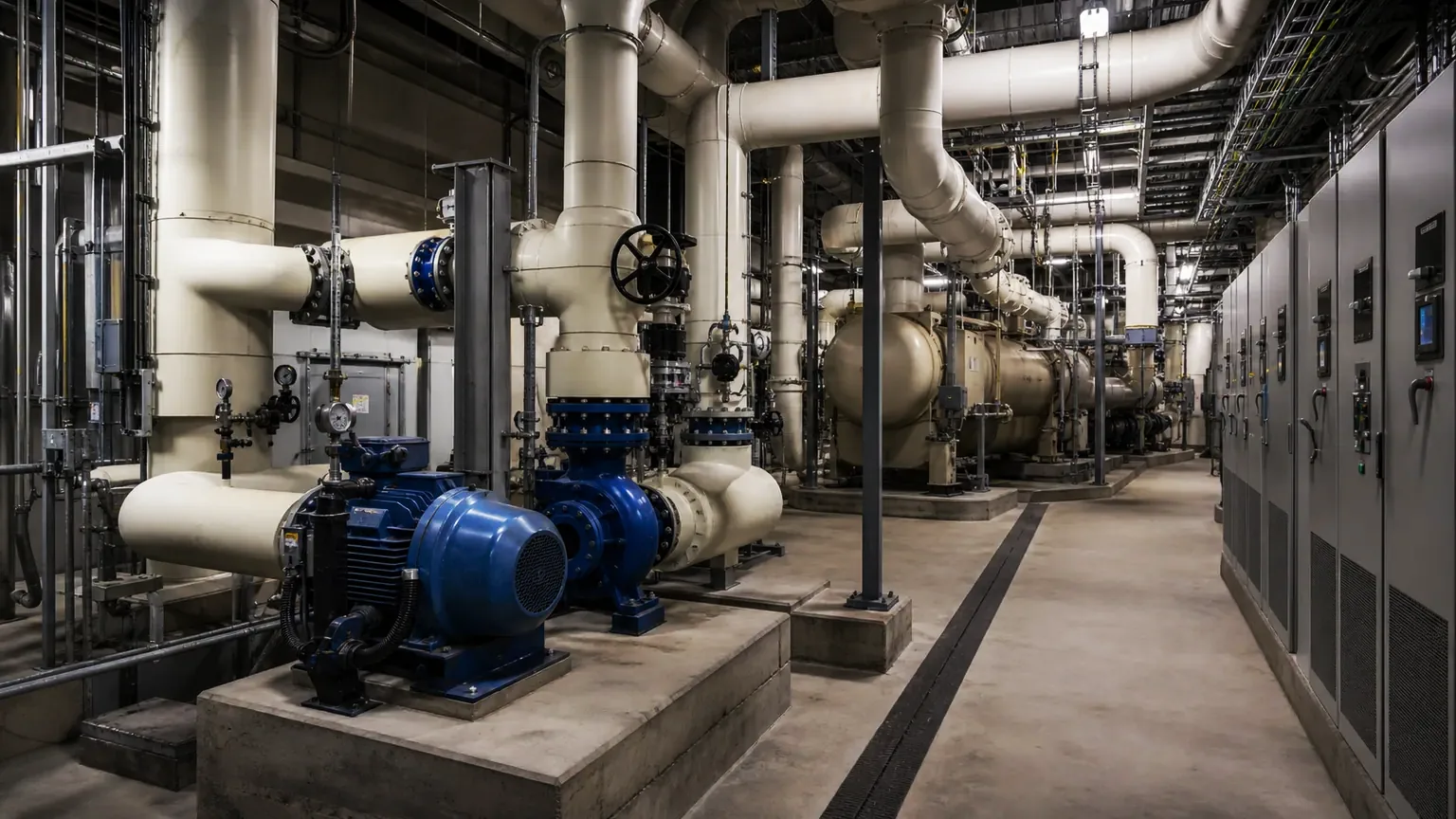
Restore cooling and power resilience before risk compounds.
Chillers · UPS systems · Backup power
See AIMMS for Data Centers & Critical FacilitiesYour CMMS, EAM, ERP, GIS, inventory and historian stay exactly where they are and stay authoritative. AIMMS receives approved data through connections you authorize, keeps its own operating record, and writes back to your systems under the permissions and approval rules you set.
The line that does not move No writes to PLC, DCS or SCADA. No setpoints, restarts, interlocks or actuator commands. Ever, and not as a setting.
AIMMS builds a governed Data Twin from approved operational, maintenance, document, inventory, supplier, identity, and collaboration context. Existing systems stay the systems of record.
Safe first deployment: pilots use AIMMS internal records, and external business-system writeback is configured only on customer approval.
Approved context
Signals, records, documents, parts, people
Operational sources remain read-only
AIMMS Data Twin
Ground, prepare, coordinate, record
Sources and uncertainty stay visible
Customer control
Roles, limits, approvals, exceptions
Denied gates remain denied
Evidence
Actions, decisions, outcomes, receipts
Ready for review and reuse
Clear evidence, authority, integration, and value boundaries make a first decision faster.
EQUA AIMMS is the Autonomous AI Operating System for Critical Infrastructure Maintenance, built by EQUA AI. When critical equipment fails, AIMMS handles all the digital work from fault to fix: it connects the evidence, systems, people, parts, suppliers, approvals, and records around the fault and moves that work toward a verified repair. Your crew keeps the wrench.
No. AIMMS does not write to PLC, DCS, or SCADA and does not execute setpoints, restarts, interlocks, or actuator commands. Operational context is read-only. Any external CMMS, EAM, ERP, or other business-system writeback is customer-specific, permissioned, integrated, tested, and approved.
AIMMS stops the affected action, makes the blocker visible, preserves the evidence and last known state, routes the issue to an authorized owner, and requires revalidation before work resumes. It does not silently substitute data or bypass a denied gate.
One expensive or recurring workflow with a named maintenance owner, operations support, accessible evidence, explicit approval boundaries, and baseline measures the CFO can trust. Scope follows what the deployment has to prove rather than a fixed asset count.
Bring one recurring or expensive maintenance workflow. We map where it stalls, define the control boundary, identify the smallest credible first scope, and decide what evidence would justify a measured deployment.
In a 20-minute AIMMS Operations Assessment, we will show you AIMMS on the fault you bring, then design the pilot: the digital work AIMMS can move, the actions your organization should control, and a measurable starting point.
One operating problem. One focused working session. No obligation.